
The Role of Literary Magazines in the Modern Literary Landscape
In today’s largely secular world, literary magazines play a pivotal role, not just in publishing fiction and poetry but as cultural artifacts that reflect and influence contemporary thought. Potpourri, as an online literary magazine, contributes significantly to the literary landscape by offering new and seasoned writers a space to explore and experiment with their craft. This support is crucial for the growth of the literary community, encouraging a continuous evolution of style and subject matter that challenges readers’ perceptions and enriches the global dialogue on important issues. The magazine serves as a vital link between the written word and societal trends, often acting as a mirror and a mold shaping modern thought and literature.

A Closer Look at Potpourri: A Quarterly Literary Magazine Dedicated to Diversity
Potpourri is not just a literary magazine but a quarterly literary magazine dedicated to diversity, showcasing an eclectic array of literary works from around the globe. Each issue of Potpourri is a carefully curated collection that spans genres and styles, from the deeply personal to the ambitiously experimental, showcasing works that could inspire independent movie making or become foundational texts in cultural discussions. Potpourri’s commitment to diversity goes beyond the page, influencing its choice of contributors and the stories it chooses to tell, ensuring a representation of a variety of cultural, social, and personal perspectives. This broad scope not only enriches the reader’s literary experience but also broadens their understanding of the world.
The Evolution of the Literary Journal: From Print to Digital
The evolution of the literary journal from traditional print formats to digital platforms has significantly reshaped the publishing landscape. Traditional print journals like the Kenyon Review and the New England Review have expanded their reach by embracing digital formats, joining online counterparts such as Potpourri. This transition has opened up new opportunities for accessibility and reach, allowing global audiences to access high-quality literary content with the click of a button. The shift has also encouraged literary journals to innovate in how they present content, interact with readers, and integrate multimedia elements into their traditional textual offerings.
Online Literary Magazine Potpourri: Accessibility and Reach
As an online magazine, Potpourri exemplifies how digital platforms can enhance the accessibility and reach of literary journals. Its status as an online journal allows it to connect with a global audience, removing geographical and financial barriers to literary consumption. This accessibility is particularly important for promoting new voices and stories that might otherwise remain unheard, providing a valuable resource for readers interested in exploring the breadth of human experience through literature. Potpourri’s online presence ensures that it remains at the cutting edge of literary discussions, making it a vital resource for those seeking to engage with contemporary literary trends and innovations.

Editorial Focus: How Potpourri Curates Content
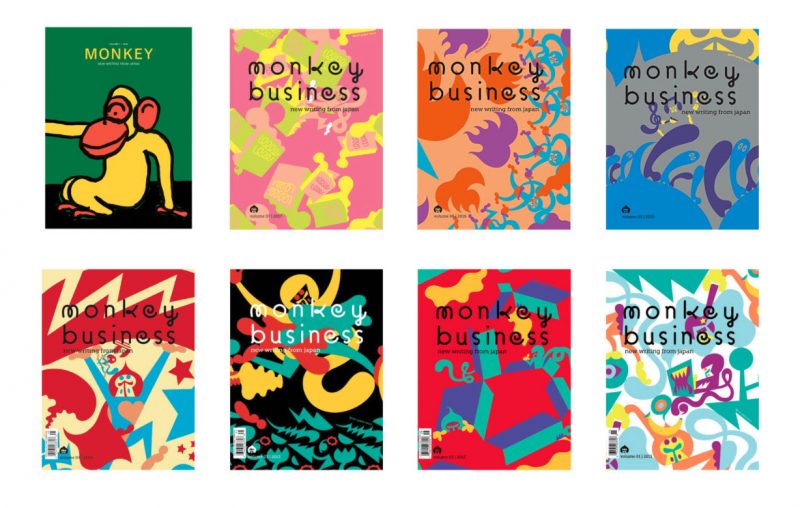
At the heart of Potpourri’s editorial success is its strategic content curation, overseen by an editorial team that includes figures like editor John Freeman and a rotating guest designer spot. This team selects works that resonate with the magazine’s mission to reflect the diversity of the human condition. Potpourri places a strong emphasis on blending different genres and mediums, integrating short stories with visual art, and poetry with creative non-fiction, to create a rich, multidimensional reading experience. This careful curation process ensures that each issue of Potpourri offers a fresh perspective on the literary arts and continues to attract and inspire readers from all walks of life.

The Impact of Literary Magazines on Writers and Readers
Literary magazines like Potpourri significantly impact both writers and readers. For writers, being published in a magazine that sits alongside works by Pulitzer Prize winners and virtually unknown newcomers can be incredibly affirming and motivating. For readers, these magazines provide a window into the creative processes of others, offering new insights and perspectives that might influence their understanding of art and life. The stories shared in Potpourri encourage a deeper engagement with literature and promote a broader understanding of the diverse world we live in.
Future Directions: The Growth of Potpourri and Its Role in Promoting New Voices
Looking forward, Potpourri is set to continue its mission of fostering literary talent and expanding its reach within the literary community. Plans for the future include exploring new formats and collaborative projects, potentially incorporating multimedia elements and interactive platforms to engage more directly with its audience. As it grows, Potpourri remains committed to its foundational goal of promoting new and diverse voices in literature, ensuring that all stories have the opportunity to be heard.
Potpourri serves as a critical platform for fostering creativity and dialogue through its dedication to showcasing a diverse array of literary works. As it continues to evolve and expand, Potpourri’s influence on the literary landscape promises to be both significant and enduring, enriching the lives of its readers and strengthening the fabric of the global literary community.